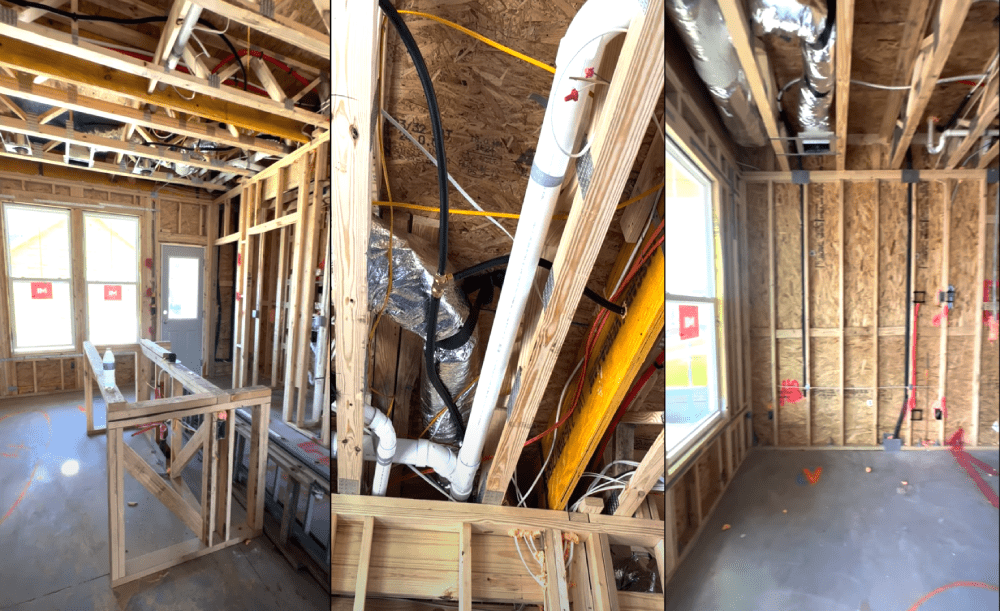
A straightforward guide to navigating building permits in the Charleston, Summerville, and Berkeley County area, so your renovation doesn’t come back to bite you at closing.
Most homeowners have been there: you’re deep into a weekend project: a new deck, a finished basement, maybe a fresh electrical outlet, when someone asks, “did you pull a permit for that?” It’s easy to skip this step, but unpermitted work can cause real headaches when it comes time to sell, refinance, or make an insurance claim.
Here’s a clear look at what typically requires a permit, what doesn’t, and exactly where to check the rules in your specific corner of the Lowcountry.
Projects that usually require a permit
Here’s a rundown of home improvement projects that typically require permits:
Structural
- Adding or removing walls (especially load-bearing)
- Room additions or bump-outs
- Garage conversions
- Decks, porches, and pergolas above a certain size
- Fences over a certain height (often 6 ft)
Electrical
- New circuits or panel upgrades
- Adding outlets or rewiring
- Installing a whole-home generator
Plumbing
- Moving or adding supply/drain lines
- Water heater replacement (in most jurisdictions)
- Installing a new bathroom
HVAC
- New HVAC system installation
- Ductwork modifications
- Adding a gas line
Major Renovations
- Roof replacement (sometimes)
- Window or door replacements that change the opening size
- Finishing a basement or attic
- Swimming pools and hot tubs
- Detached structures (sheds over ~120–200 sq ft)
Since you’re in the Charleston/Summerville area, rules are set at the county or municipality level, check with the City of Charleston, Berkeley County, or whichever jurisdiction applies to your property. The thresholds (like fence height or shed size) can vary quite a bit locally. Unpermitted work can cause issues when selling, so it’s worth a quick call to your local building department when in doubt.
- https://berkeleycountysc.gov/dept/codes/– Berkley county codes
- Residential requirements document for:
- NEW SINGLE FAMILY RESIDENTIAL
- Porch/Deck
- Pole Barn
- Manufactured Shed/ Carports
- Solar Panels
- Residential Swimming Pool
- General Remodel/Repairs
- Residential requirements document for:
- charlestoncounty.org – Charleston County Building Inspection Services
What usually doesn’t need a permit
✅ Painting, wallpaper, and flooring replacement
✅ Cabinet and countertop swaps
✅ Minor plumbing repairs (faucet, toilet replacement)
✅ Small cosmetic repairs and landscaping
Why it matters in the Lowcountry specifically
South Carolina sets building codes at the state level, but enforcement and specific thresholds are handled at the county or municipal level. That means the rules in Summerville can differ from unincorporated Berkeley County, which can differ again from the City of Charleston. Things like the maximum shed size before a permit is required, or fence height limits, vary by jurisdiction.
Charleston’s historic districts add another layer entirely. The Board of Architectural Review has jurisdiction over exterior changes in many downtown neighborhoods, on top of standard building permits.
Where to look up the rules for your address
The good news: most of this information is online now. Here is where to start based on where you live:
Berkeley County Building Services
https://berkeleycountysc.gov/wp-content/uploads/docs/Buildings-and-Building-Regulations.pdf
From this document, it follows that:
Always need a permit
- Any building, moving, or demolition of a structure
- Electrical work (new service, upgrades, any wiring)
- Mechanical work (HVAC, ductwork, refrigeration)
- Plumbing (new fixtures, water heaters, drain/waste/vent systems, water piping, sewer connections)
- Gas piping and outlets
- Swimming pools that are above ground if 4 ft or taller, and all in-ground pools
- Signs (illuminated signs also need a separate electrical permit)
- Towers
- Sprinkler systems and fire alarms
- Elevators
- Fences made of solid masonry or solid steel that are 6 ft or taller
- Construction trailers and shipping containers
Exemptions: no permit needed for these smaller items
- Detached accessory structures that are one story, non-habitable, with a roof pitch of 7/12 or less
- Prefab pools under 4 ft in height
- Fences under 6 ft, or any fence not made of solid masonry or solid steel
- Attached one-story structures of 400 sq ft or less with a roof pitch of 7/12 or less
- Open porches or deck additions with a roof pitch of 7/12 or less
Town of Summerville Building Department
https://www.summervillesc.gov/170/Building-Department
Most of these portals let you view permit requirements and fee schedules, download application forms, check permit status on an existing project, and in some cases apply and pay entirely online.
When in doubt, just call
If your project falls into a gray area, the building department is usually your fastest resource. A quick phone call along the lines of “I am planning to add a pergola attached to my house, do I need a permit?” typically gets you a clear answer without an in-person visit. Staff are generally helpful with straightforward questions, and a five-minute call is far better than discovering an issue years later.
The bottom line: permits exist to protect you, not just to generate paperwork. They ensure work meets safety standards and that your home’s value and your investment are protected for the long haul.
What if I am doing the renovations myself?
If you are doing the work yourself on your own home, you can apply as an owner/builder, but you must file a disclosure statement with the Register of Deeds first.





Leave a Reply