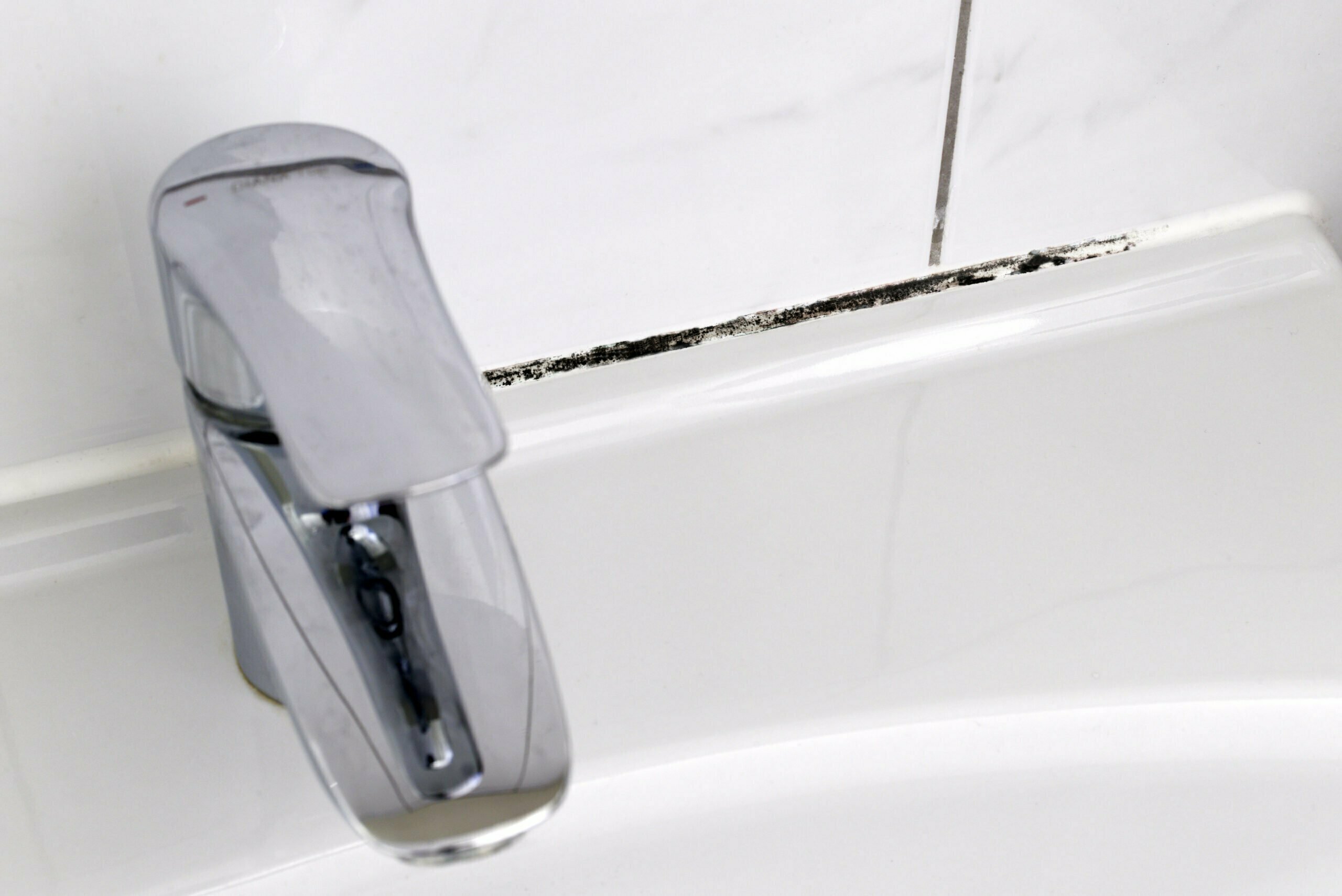
What cleaning supplies are best for mildew?
When it comes to cleaning mildew, there are several cleaning supplies that can be effective in removing it. Some of the best cleaning supplies for mildew include:
- Vinegar: White vinegar is a natural cleaning agent that can help to kill and remove mildew. It is safe to use on most surfaces and can be mixed with water in a spray bottle for easy application.
- Bleach: Bleach is a strong disinfectant that can be effective in killing mildew. It should be used carefully, however, as it can be harmful to some surfaces and can produce fumes that are toxic if inhaled.
- Borax: Borax is a natural cleaning powder that can be mixed with water to create a paste that can be used to scrub mildew from surfaces.
- Hydrogen Peroxide: Hydrogen peroxide is a natural disinfectant that can be effective in killing mildew. It should be used carefully, however, as it can bleach some materials.
When using any cleaning supplies for mildew, it is important to wear gloves and protective clothing and to work in a well-ventilated area.
Non toxic cleaning supplies for mildew
There are several environmentally friendly cleaning supplies that can effectively clean mildew while minimizing their impact on the environment. Here are some options:
- Vinegar: Vinegar is a natural and effective cleaner that can kill mildew on contact. Mix equal parts of vinegar and water and apply the solution to the affected area using a spray bottle. Let the solution sit for a few minutes, then wipe away the mildew with a clean cloth.
- Hydrogen peroxide: Hydrogen peroxide is another natural cleaner that can kill mildew and other fungi. Mix one part hydrogen peroxide with two parts water and apply the solution to the affected area using a spray bottle. Let the solution sit for 10-15 minutes, then wipe away the mildew with a clean cloth.
- Baking soda: Baking soda is a natural abrasive that can help to remove mildew stains from surfaces. Mix baking soda with water to form a paste and apply it to the affected area. Let the paste sit for a few minutes, then scrub away the mildew with a brush or sponge.
- Tea tree oil: Tea tree oil is a natural antifungal that can help to kill mildew and prevent it from returning. Mix one teaspoon of tea tree oil with one cup of water and apply the solution to the affected area using a spray bottle. Let the solution sit for a few hours, then wipe away the mildew with a clean cloth.
Using environmentally friendly cleaning supplies is a great way to clean mildew while minimizing the impact on the environment. Always follow the manufacturer’s instructions and take proper safety precautions when using these products.
How to clean mildew off of leather?
Mildew can be a common problem on leather items, especially if they have been exposed to moisture or stored in a damp environment. Here are some steps you can take to clean mildew off leather:
- First, remove any loose dirt or debris from the leather surface using a soft-bristled brush or cloth.
- Mix equal parts water and rubbing alcohol in a bowl. Dip a soft cloth into the solution and wring out excess liquid.
- Gently rub the affected area of the leather with the damp cloth, taking care not to saturate the leather.
- If the mildew is particularly stubborn, you may need to use a mild detergent. Mix a small amount of mild detergent, such as dish soap, with water in a bowl. Dip a soft cloth into the solution and wring out excess liquid. Gently rub the affected area of the leather with the damp cloth.
- Rinse the leather with a clean, damp cloth to remove any remaining cleaning solution.
- Use a dry, absorbent cloth to blot the leather and remove any excess moisture.
- Allow the leather to air dry completely before conditioning it with a leather conditioner to restore its natural oils and prevent future mildew growth.
Note: Always test any cleaning solution on a small, inconspicuous area of the leather first to ensure that it does not damage or discolor the leather.
How to clean mildew off of boat seats?
Cleaning mildew off boat seats is important not only for the appearance of the seats, but also for the safety of the passengers. Here are some steps to clean mildew off boat seats:
- Start by removing any loose dirt and debris from the seat using a soft-bristled brush or vacuum cleaner.
- Mix a solution of equal parts water and white vinegar in a spray bottle.
- Spray the solution onto the affected areas of the seat and let it sit for a few minutes.
- Scrub the seat with a soft-bristled brush, being careful not to damage the upholstery.
- Rinse the seat with clean water and use a clean, absorbent cloth to dry it thoroughly.
- If the mildew is stubborn and does not come off with the vinegar solution, you can use a commercial mildew cleaner specifically designed for boat seats. Be sure to follow the manufacturer’s instructions carefully and test the cleaner on an inconspicuous area first to ensure that it does not damage the upholstery.
How to clean mildew in a shower?
Cleaning mildew in the shower can be a challenging task, but with the right approach, it is possible to remove it effectively. Here are some steps you can follow to clean mildew in your shower:
- Wear protective gear: Before you begin cleaning, it’s essential to protect yourself by wearing gloves, a mask, and safety goggles. This will help you avoid any potential health hazards.
- Ventilate the area: Open any windows and turn on the fan to help circulate the air and remove moisture from the area.
- Mix a cleaning solution: Create a cleaning solution by mixing equal parts water and white vinegar or hydrogen peroxide. Alternatively, you can use a commercial cleaner designed for removing mildew.
- Apply the solution: Spray or apply the solution onto the mildewed area and let it sit for 10-15 minutes.
- Scrub the area: Use a scrub brush or sponge to scrub the affected area thoroughly. Pay attention to the grout lines, corners, and any other hard-to-reach areas.
- Rinse and dry: Rinse the area with water and dry it with a clean towel or rag. Be sure to dry the area completely to prevent mildew from reoccurring.
- Prevent future mildew growth: To prevent mildew from growing in your shower in the future, make sure to ventilate the area properly, wipe down surfaces after each use, and use a mildew-resistant shower curtain or liner.
By following these steps, you can effectively clean mildew in your shower and prevent it from returning.